
Total Quality Management (3 Day Course)
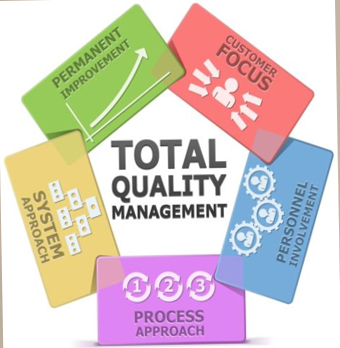
‘Total Quality Management’ or ‘TQM’ may be defined as a continuous pursuit of excellent quality by creating the right skills and attitudes in people to prevent defects and satisfy customers/users totally at all times. You should understand that TQM is an organization-wide activity that involves an integration of various processes and has to reach every individual within an organization.
Total Quality management is defined as a continuous effort by the management as well as employees of a particular organization to ensure long term customer loyalty and customer satisfaction.
Course Objectives
Explain What is Total Quality Management (TQM)
Describe the Evolution of TQM
Explain Concepts in TQM
Explain What is Cost Benefit Analysis
Explain the Principles of TQM Pyramid
Explain Kano’s Five Types of Quality
Explain Kinds of Measurements in TQM
Explain the STINGER Principle
Describe the Various Tools used in TQM
Describe the Focus Areas of TQM
Explain the Steps for the Quality Improvement Process
Explain Four Absolutes of Quality Improvement Process
Explain the Implementation of TQM
Explain Deming’s 14 Points to Improve Quality
List the Benefits of TQM
Advanced 2 days extra:
Importance of Quality Management
Elements of Total Quality Management
Total Quality Management Models
Quality Management Tools
Six Sigma and Quality Management
What is Kaizen ?
Role of Managers in TQM
Role of Customers in TQM
Comparison of Six Sigma and TQM
Similarities and Differences in Implementation of Quality Frameworks in Manufacturing and Service Sector
The PDSA (Plan-Do-Study-Act) Technique for Quality Improvement
Total Quality Management (TQM)